

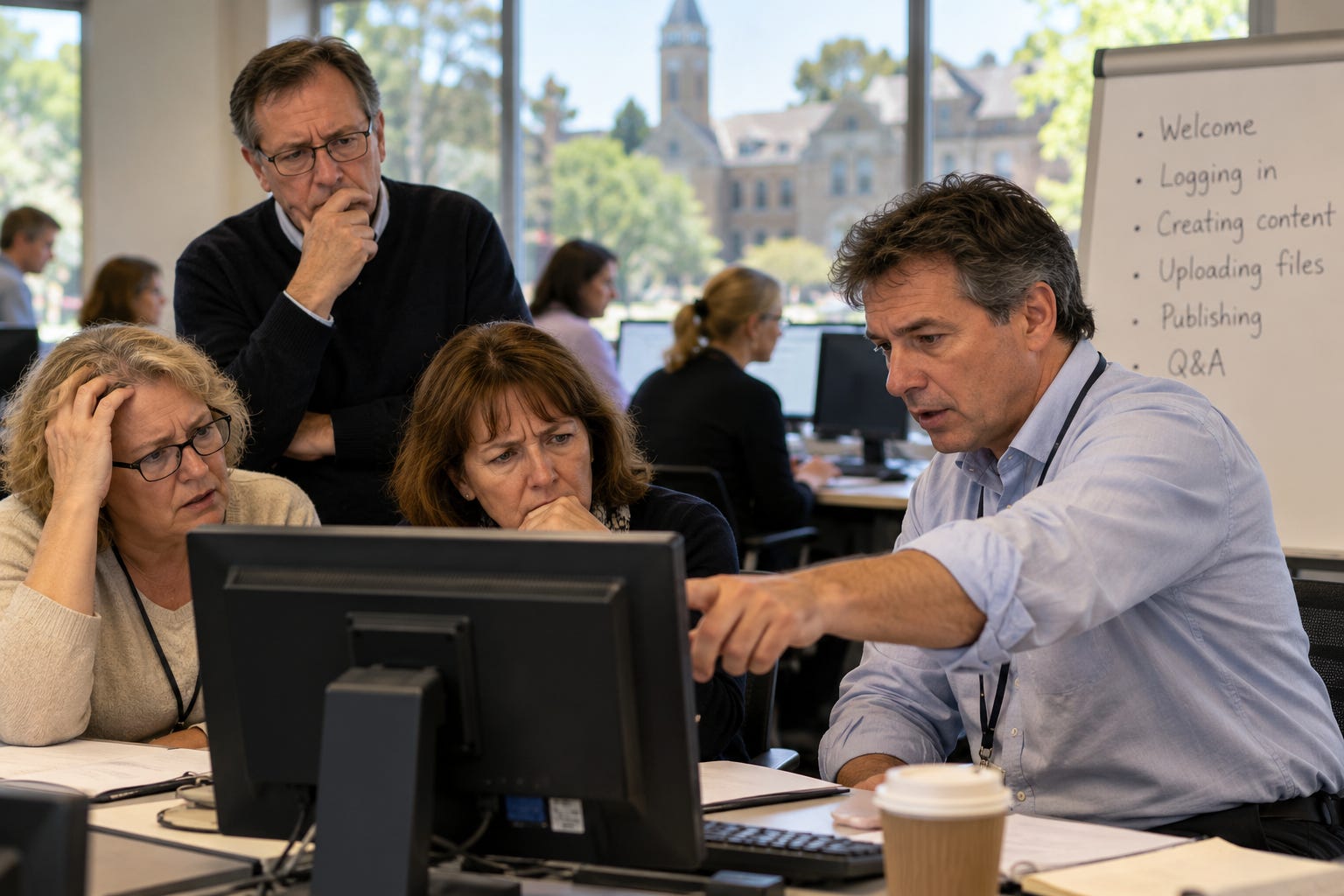
About fifteen years ago, my team built a campus-wide intranet for a large institution. The design firm that had helped write the specification chose the content management system and made it mandatory. It was open source, and they insisted it was so intuitive for authors that little or no training would be needed.
It was intuitive, but only for people who already knew how to author content and design documents. Everyone else found it baffling. In the end we wrote courseware and ran class after class to teach staff how to use it.
"Intuitive" is the software trade's word for "natural", and it does the same job: it sounds like a description but works as a verdict. That is the point the French philosopher Bruno Latour makes about nature itself. When we draw a hard line between the natural and the artificial, he argues, we are not describing the world so much as passing judgment on it: natural good, artificial bad. Nature gives us forests and coral reefs. It also gives us parasites, drought and decay. The word cannot settle an argument on its own.
The same goes when technology is called unnatural, or when something is praised as human. Neither label tells us who can switch it off, who can leave, or who gets blamed when it fails.
Arguments about technology often reach for moral shortcuts like these. The real work starts once they have been put aside. Who gains control? Who bears the inconvenience? What kind of conduct does a design quietly reward? And, as I learnt on that intranet project, intuitive for whom? Those questions are less elegant than calling something natural, but they are more likely to lead somewhere honest.
Source: Bruno Latour, "Nature", from the series* A Vocabulary for the Future *(Centre de Cultura Contemporània de Barcelona), film by Gerard Ortín Castellví, on Aeon.